Optimize your Beekeeping Potential

FEATURE

Apimondia: Beekeeping Beyond the Hive

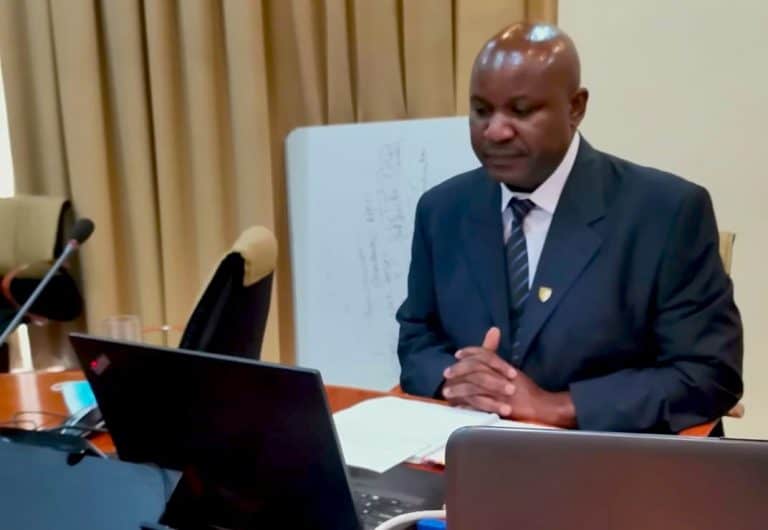
David Mukomana during Apimonde zoom conference

If you have missed participating in the APIMONDE regional conference on Zoom, then you missed an opportunity of contributing to the voice of humanity when addressing beekeeping concerns for Africa.  Mr. David Mukomana – President, Apimondia Regional Commission for Africa shared some notes on their mission and how ordinary beekeepers can get involved.

What are the major challenges faced by African Beekeepers and why are they important to address?

Beekeeping has been practiced for generations in Africa and across many continents. The apiculture sector is such a strategic part of mankind and biodiversity through crop and plant pollination by honey bees as well as medicinal and nutritional benefits of hive products. However, the beekeeping sector has been neglected to the extent that there are a number of challenges that have stalled its development.

National structures:

Due to lack of the recognition as a strategic sub-sector of the agricultural system, the sector has remained fragmented and highly informal, without structures to organise and lobby for the sector support, including advocating for regulatory framework that promotes beekeeping. Thus formal structures in the form of APEX boards with all honey value chain stakeholders are required in order to drive and represent the sector.

Awareness:

Many beekeepers across Africa have been practicing beekeeping being passed from one generation to another but have not been seen as a career or business opportunity that one can earn a living from. This have left many communal beekeepers doing it as a hobby as opposed to commercially despite the abundance of resources to support commercial beekeeping.

Despite how lucrative the sector is as a business venture, many communities and stakeholders are not aware of the immense benefits beekeeping brings to the environment and mankind. Bees are an effective pollinating agent in the biodiversity, more so to the food crop production. Yet many governments in Africa do not make provisions for the protection of the bees. This has seen many bee colonies being lost through excessive use of agro-chemicals in agriculture without putting in place regulations that controls the use of pesticides harmful to bees. Many consumers do not appreciate the benefits of using honey and other hive products as part of the diet. This has been the case until recently when consumers are becoming health-conscious. Unfortunately, many consumers are exposed to inferior and often adulterated honey due to lack of awareness of authentic honey.

Government support:

Government support for the sector is critical to see the sector grow. Limited government support has seen a retarded sector growth due to lack of favourable incentives and policies. Few governments that have provided direct support both financially and policy framework have done very well including achieving production levels that are now seeing export earnings from honey and bees wax. These include Ethiopia, Uganda and Tanzania.

Funding:

Access to funding has been a challenge for many communal beekeepers. This has seen very few communal beekeepers upscaling from being hobby-beekeepers to commercial beekeeping.

Value chain funding has equally made it very difficult for up-takers of honey that is produced by the communal beekeepers resulting them in losing interest in the sector as they see the venture not being viable due to lack of consistent market. Many processors are still using the traditional honey processing thus not being able to process large volumes to the level of supplying a large markets resulting in honey packers distributing imported honey often seen as cheaper than the locally produced one.

How is Apimondia structured (globally and regionally) to address these concerns?

Apimondia, the International Federation of Beekeepers Associations, is a global organisation that promotes beekeeping and related industries, formed in 1893. It is a membership based federation with more than 112 members from 73 countries from across the globe. The Federation is run by an executive council comprising the Executive Management (President, Vice President and Secretary-General), 7 Scientific Commissions and 5 Regional Commissions.

  • Scientific Commissions

Part of the solutions to the global challenges faced by beekeepers including those in Africa are scientific in nature. These challenges include bee diseases, bee health, quality and standards issues as well as use of hive products in the wellness programs.

In order to address these issues, part of the Apimondia council is 7 Scientific Commissions to deal with any of those topics or matters that will address and improve the beekeeping sector across the globe. These Scientific Commissions are: Bee Health; Bee Biology; Beekeeping Economy; Quality and Standards; Pollination and Bee Flora; Apitherapy and Beekeeping for Rural Development.

The role of these commissions is provide platforms where topics are discussed and results of research /studies carried out are shared with the goal of improving beekeeping. These Commissions are also responsible for coming up with topics that are presented by way of Round Tables, Workshops or Posters during Apimondia Symposia and Congresses.

In order to support the Apimondia Scientific Commission, there are Working Groups that have been constituted whose responsibility is to provide support services on specific topics identified and requiring intervention. Some of the issues that have been worked on through the Working Groups include Honey Fraud and Adverse effects of Agro-chemicals and Bee medicine on bees and harmful to bees.

  • Regional Commissions:

Apimondia Executive Council was expanded to include a geographic representation through 5 Regional Commissions, that is, Africa, America, Asia, Europe and Oceania.

This expansion of the Executive Council was to ensure Apimondia programs are cascaded down to the grassroots with the Regional Commission acting as the interface between Apimondia and the stakeholders. This has provided the stakeholders with an opportunity to interact with the global organisation with the programs and activities explained at a local level thus making them aware how they can connect with the rest of the global sector. Some of the connections are in terms of markets and access to information and technology that can help in addressing the challenges affecting beekeeping.

Part of the Regional Commission role is to promote Apimondia events and the Regional Commission for Africa have been engaged in such activities including the Africa Region meeting held on the 24th September (2020) where the stakeholders had the opportunity to interact with the Apimondia President, Secretary-General and other Commission Presidents.

In order to effectively deliver its mandate, the Regional Commission for Africa has set up Regional Working Groups to deal with specific issues affecting beekeeping in Africa and these are Bee Health and Biology; African Honey Characterisation (African Honey Trade); Honey and hive products Value addition; Pollination and Bee Flora; Honey Standards and Adulteration Issues and African Beekeeping Systems.

Further, the Commission has also come up with model initiatives that are being used to help replicate in other communities in order to expedite beekeeping projects roll-out in many African communities.

Thus, Apimondia is structured in a manner that will ensure that apicultural sector issues across the globe are addressed at the highest level either by the Scientific Commissions or Working Groups with such activities being coordinated at regional level by the Regional Commissions. Stakeholders need to therefore tap into the wealth of information available at Apimondia through organising and attending Apimondia events, be it at regional or international level.

How can membership to Apimondia help the organization achieve its objectives?

Apimondia is a membership-driven federation whose mandate is driven by members through the General Assembly held every 2 years as part of the Congress.

The main objective of Apimondia is to promote beekeeping across the globe resulting in a number of programs being put in place including working groups, symposiums, congresses, publications and collaboration initiatives.

Thus membership to Apimondia across all the regions will provide a wider coverage of Apimondia activities as well as fulfilling the mandate to provide global direction on beekeeping matters. Communication and coordination of beekeeping issues / policies will be much easier when stakeholders from as many countries are members of Apimondia.

What value can members receive who join Apimondia?

Being part of Apimondia provides members with access to a wide network of stakeholders across the globe who can bring value to the sector at a local level.

The most important value that members derive from joining Apimondia is the ability to participate in the decision making process that shapes the sector at the highest level. This include having the right to host Apimondia international events such as seminars, Symposia and Congresses.

As a conclusion, there is need for a paradigm shift by stakeholders from looking for the benefits provided by Apimondia to what the stakeholders stand to lose by not being part of the global organisation. The world is now a global village that is intricately connected and stakeholders who are not part of the global beekeeping organisation are directly and by default, affected by decisions made by member countries, thus, African beekeeping stakeholders / institutions need to be part of Apimondia in order to participate in shaping the future of the sector.

AfricanBeeJournalAdvertisement-min
-advertisement-
3 1 vote
Article Rating
Subscribe
Notify of
guest
0 Comments
Oldest
Newest Most Voted
Inline Feedbacks
View all comments