
Optimize your Beekeeping Potential
FEATURE
Ivan's Concrete Proposition
For 2021 WORLD BEEKEEPING DAY – we celebrate the work of IVAN LEEROY BROWN – whose South African innovation, the affectionately named BEE BUNKA – promises concrete benefits for both the bees and the beekeeper alike. IVAN shares some notes on his work.
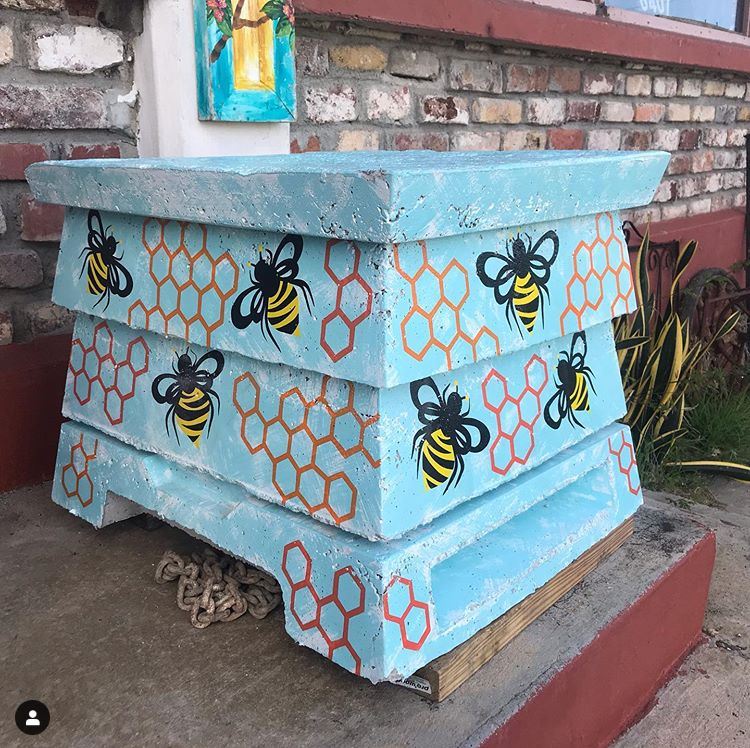
“These hives are an alternative to wooden hives. Some situations still need a wooden hive, like pollination services, or migratory beekeeping. Concrete beehives are suited to permanent apiaries, where they minimise risk of destruction or theft, and require little-to-no maintenance. The Bee Bunka is still a Langstroth hive, meaning it takes the same frames, excluder and other accessories. The real innovation is in the making of them. The molds are easy-to-use and create identical components that lock together to make the perfect Langstroth hive. The thick walls and concrete recipe, using lightweight aggregates, makes an incredibly strong and insulating chamber that costs very little to make.”
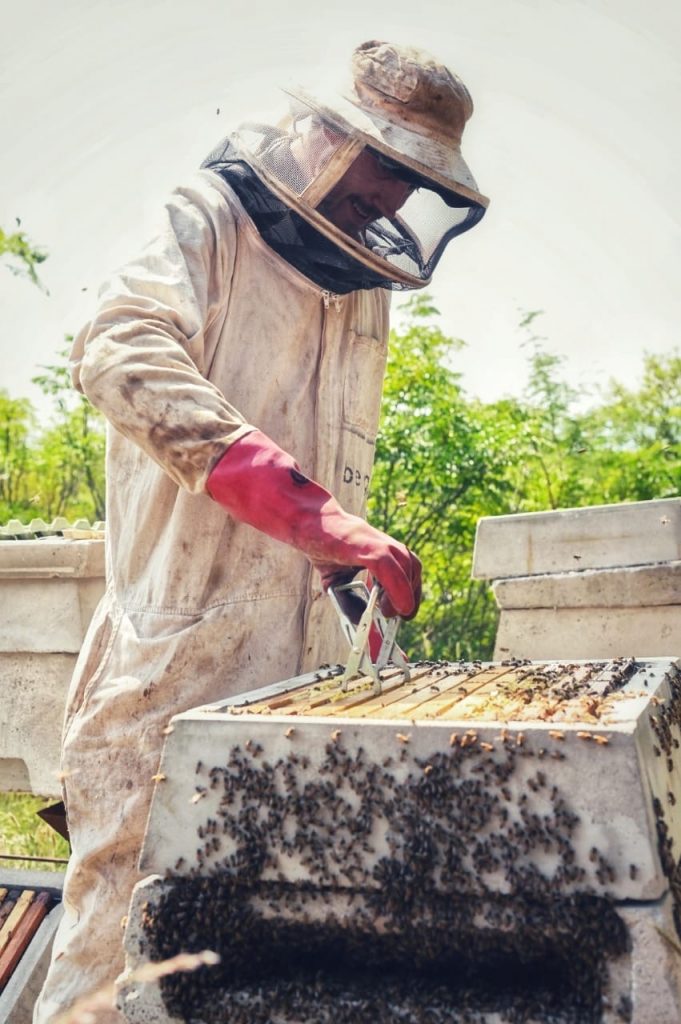
“The beehive is the most cumulatively expensive equipment that beekeepers use, also determining much of the success of swarms and yields. Taking the Langstroth hive, I identified 6 areas that are key to its success or failure: Durability, Weight, Insulation, Toxicity, Manufacturing and Cost/Price. What influences these areas the most is the choice in material, so I set about testing and researching different materials that could potentially be used to make a beehive. Lightweight concrete came out as a great candidate for solving many issues that wood was failing with. “
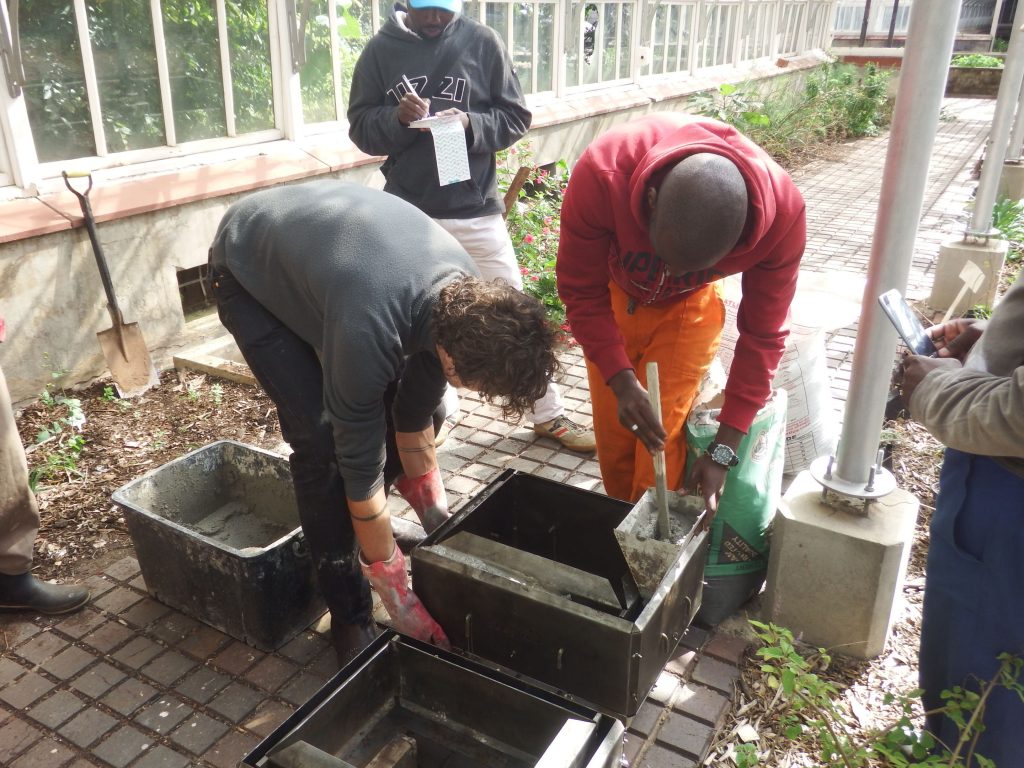
“For others that couldn’t always get wood or wooden hives they are empowered by making the hives. The hives are heavy and bigger than wooden ones, so there are decisions that need to be made based on the circumstances, but it is nice to have choices.
The choice is not between a good hive and a bad hive. These are high quality hives, and there are plenty of skilled people making quality wooden hives. The choice is about what hive is right for the site. Wooden catch boxes are still the best, and I will always use them, but once the bees are on the ground a Bunka gives good peace of mind.
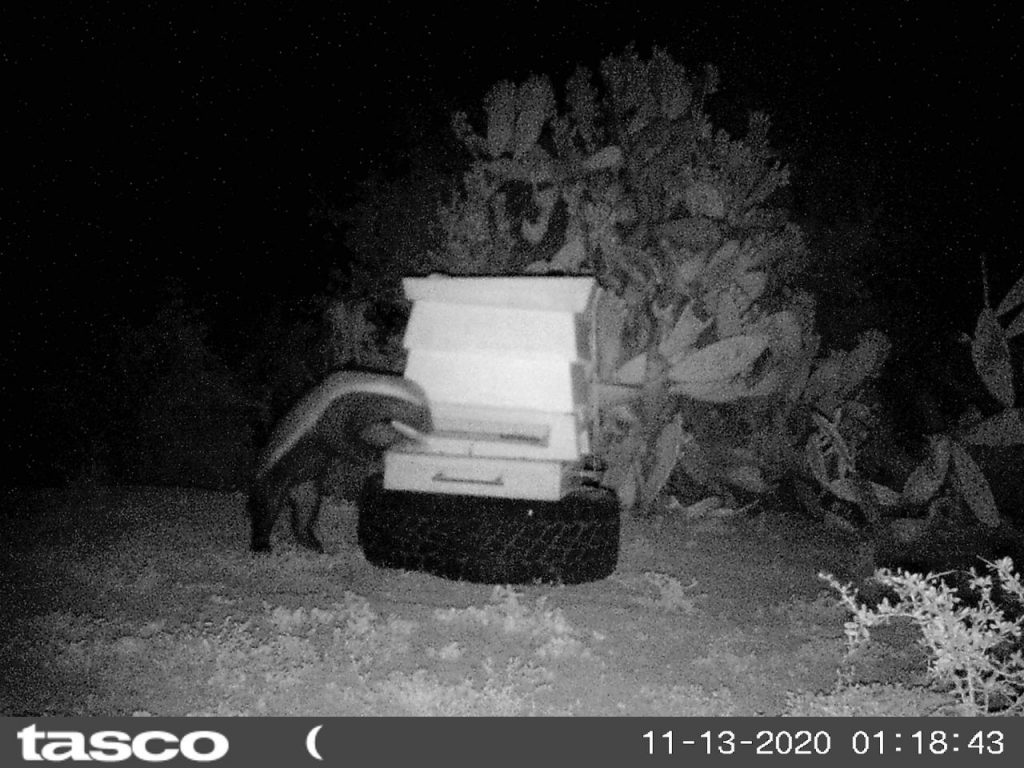
With the molds and hives spreading out far and wide, through SA and other countries, there are now thousands of these hives in the field. Hobbyists and commercial beekeepers using them, and lots of people have found ways of incorporating them into their beekeeping practices. For many it is well suited to them based on the areas the keep their bees in, where fires, badgers or vandalism had been a serious problem.”
” I enjoy working with beekeepers. I am fascinated by bees too, but it is the human stories behind their caretakers that really drives me. Beekeepers are incredibly resilient, hardworking and innovative individuals. Each one has their own approach and ideas that they implement to improve their livelihoods. Every beekeeper I meet has made their own tools or devices or components, making it an industry full of creative, solution oriented people. I guess it takes a special kind of person to agree to work with insects that sting you, you have to be passionate about the environment and the creatures, and I think these are the best people in the farming industry. I started out by talking to beekeepers and that led me to deciding to develop an alternative hive and hive production method. The beekeepers already knew what was needed, I was just answering a call to action.”
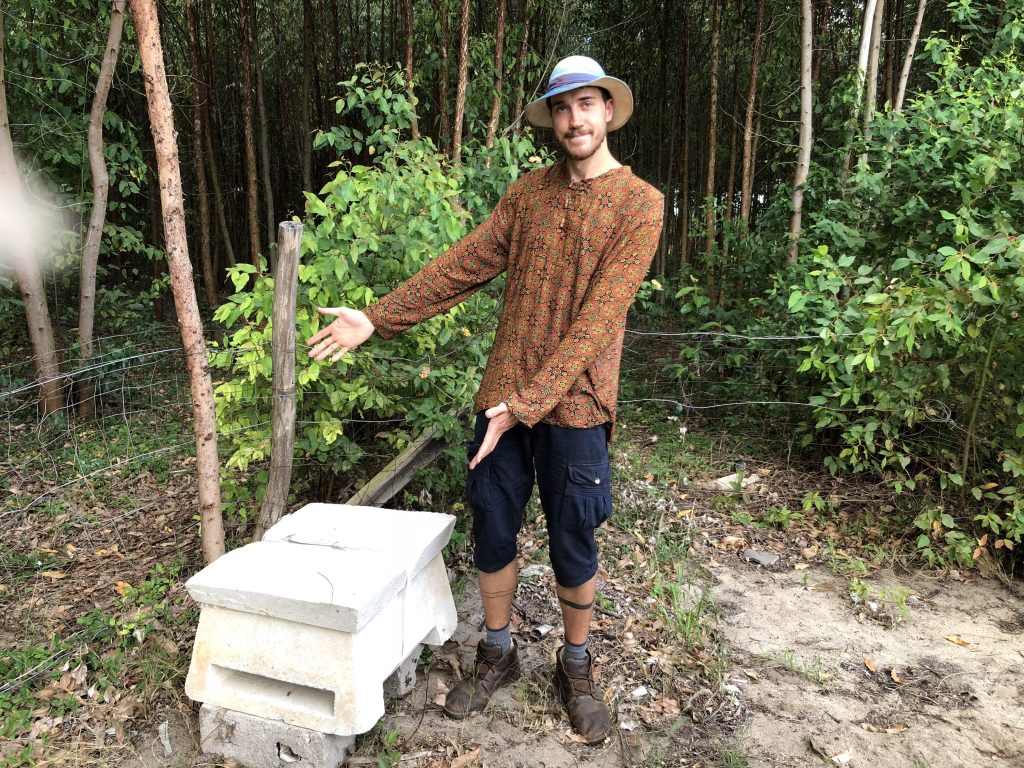
When history looks back at us – asking, what have we done for our bees and our beekeepers – may Ivan’s work remain unweathered, legendary and counted in that contribution.
Great work